Moving Guide
Practical checklists and tips for relocating to Orleans, from utilities to addresses.
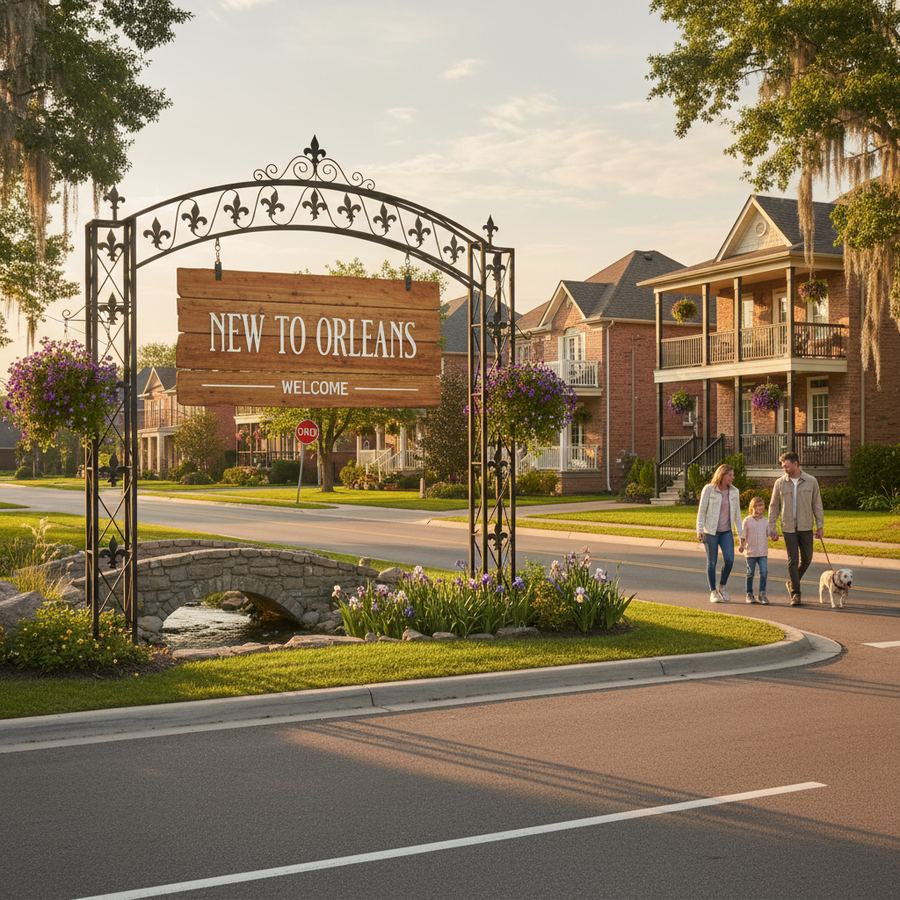
Moving to a new community comes with a hundred small questions that no real estate listing ever answers. Where do people actually get their groceries? Which schools have the best reputation? Is the bus reliable or should you plan on driving? How long before this place starts to feel like home? If you are new to Orleans, or thinking about making the move, this section is built to answer exactly those kinds of questions.
Orleans attracts newcomers from several directions. Federal government employees transfer in from across Canada and discover that the east end offers a shorter commute than they expected. Families relocate from other parts of Ottawa when they need more house than their current neighbourhood can provide at a reasonable price. Immigrants to Canada, particularly from francophone countries, find in Orleans a bilingual community where French is not just tolerated but actively spoken on the street, in shops, and in schools. Whatever brings you here, the adjustment tends to go smoothly because Orleans is a community built by people who were once new themselves.
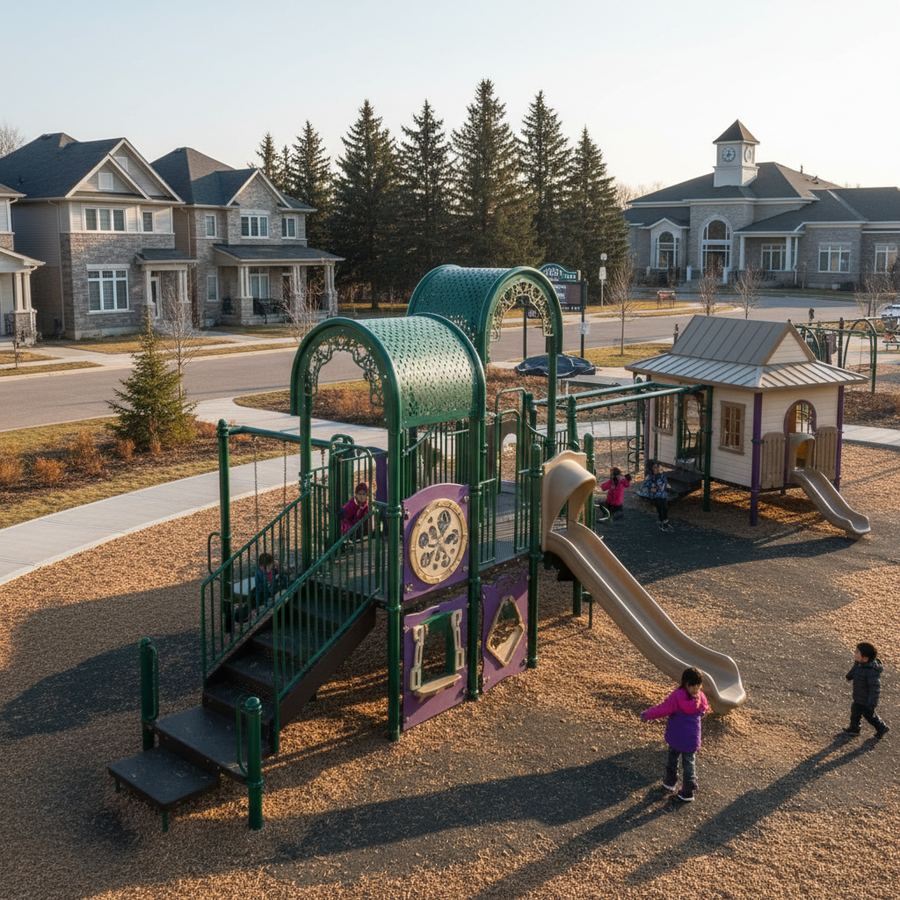
Schools are often the first thing families research, and Orleans delivers well in this area. The community is served by all four Ottawa school boards: English public, English Catholic, French public, and French Catholic. French immersion programs are strong and widely available, and the fully francophone schools benefit from being in a neighbourhood where French is a living language rather than a classroom exercise. The choice of school board and program is a significant decision for families, and the options here are broader than in many parts of Ottawa.
Transit and commuting shape daily life in any suburb, and Orleans has been improving on this front. OC Transpo runs frequent service along the Transitway corridor connecting Orleans to downtown Ottawa, and the Confederation Line LRT extension will bring rapid transit even closer. A Presto card is essential for regular riders. For drivers, Highway 174 is the main commuting route, and while rush hour congestion is real, the drive to downtown takes roughly twenty minutes at off-peak times. Many residents find that a combination of driving and transit works best, depending on the day.
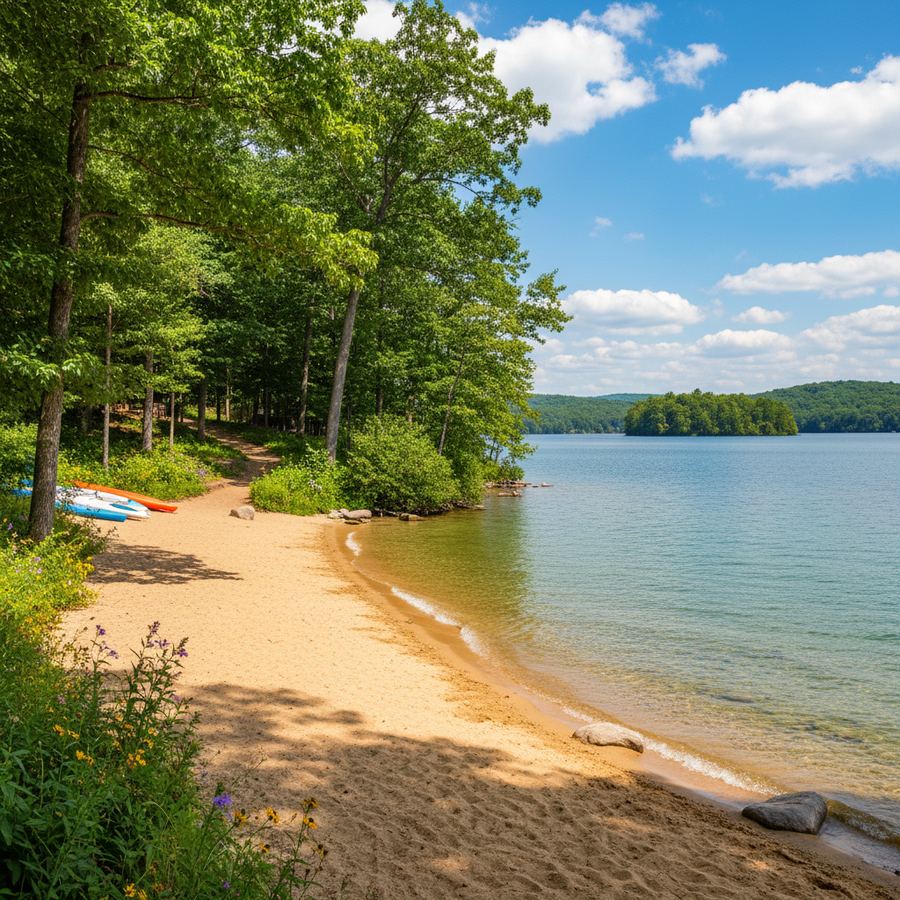
Parks and recreation are among Orleans' genuine strengths. The community has an extensive network of parks, trails, and recreation facilities. Petrie Island is the flagship: a river beach with swimming, kayaking, picnic areas, and nature trails that feels like a weekend getaway despite being minutes from home. Millennium Park hosts community events and sports programs. The Ray Friel Recreation Complex offers pools, ice rinks, a gymnasium, and programming for all ages. You will not run out of things to do outdoors here.
Perhaps the most distinctive feature of life in Orleans is the bilingual environment. This is one of the few communities in Ontario where English and French coexist so naturally that switching between languages mid-conversation is unremarkable. For newcomers from francophone backgrounds, this is immediately comfortable. For anglophone families, it is an opportunity: your children can grow up hearing and using French in everyday life, not just in the classroom. The bilingual advantage is real, and Orleans is one of the best places in the country to experience it.
The guides below cover the practical essentials in more detail. Welcome to Orleans.
Practical checklists and tips for relocating to Orleans, from utilities to addresses.

A guide to school boards, French immersion, and education options in Orleans.

Buses, LRT plans, highway routes, and how to get around from Orleans.
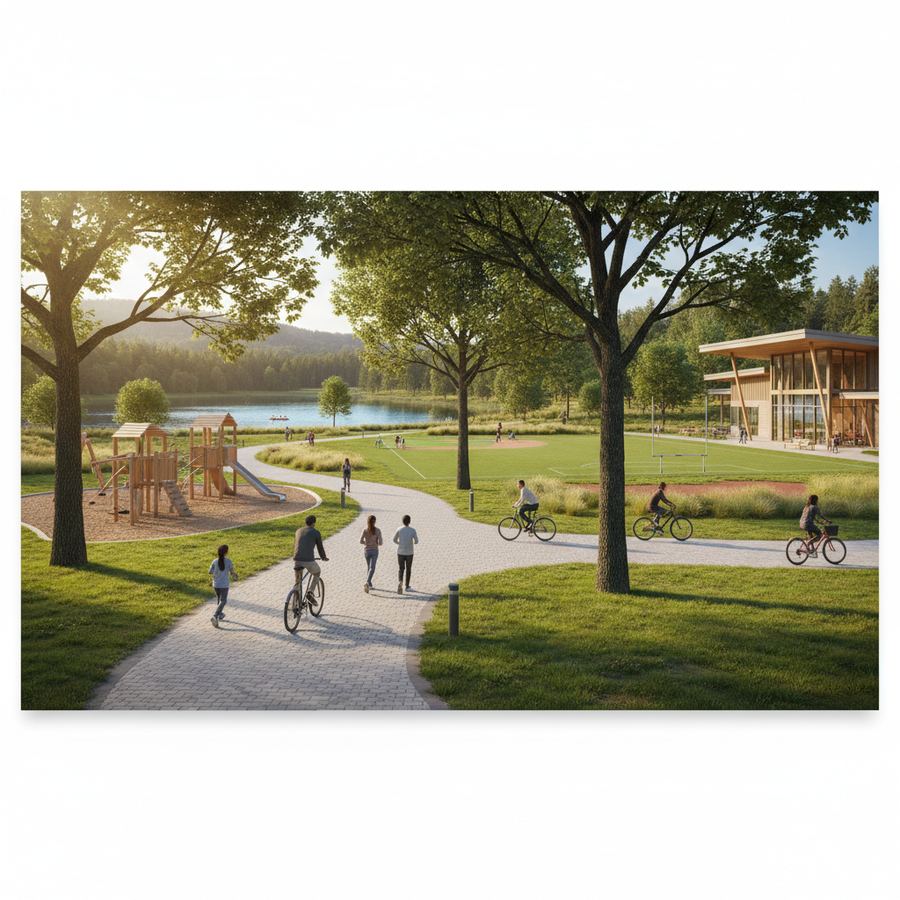
Petrie Island, Millennium Park, trails, rinks, pools, and outdoor life in Orleans.

How Orleans' French-English culture benefits families, careers, and daily life.