Transit and Commuting from Orleans
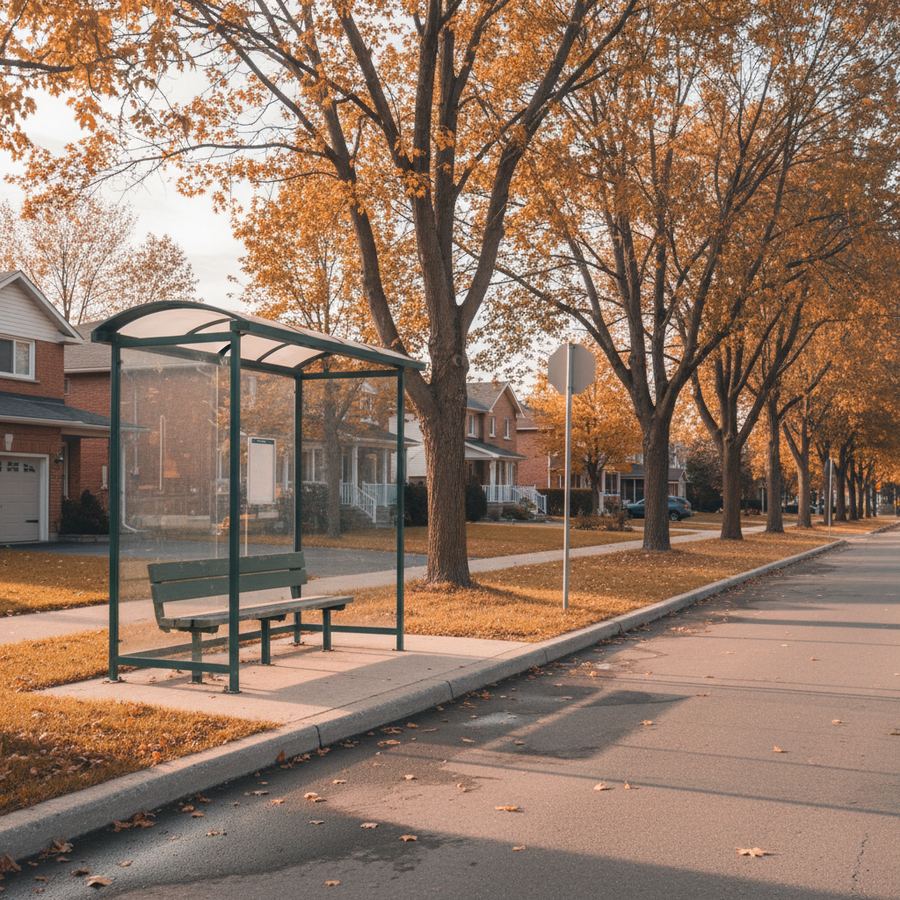
Commuting is a practical reality for most Orleans residents. The community sits on the eastern edge of Ottawa, separated from the downtown core by the Greenbelt and roughly twenty kilometres of road. How you get to work, school, or appointments depends on where in Orleans you live, where you are headed, and how much patience you have for traffic or transit schedules. This guide covers the current options honestly, including what works well, what is frustrating, and what is coming in the near future.
OC Transpo Bus Service
OC Transpo operates the public transit system for the City of Ottawa, and Orleans is served by a network of local and express bus routes. The system works on a hub-and-spoke model: local routes collect passengers from residential neighbourhoods and bring them to transit hubs, where they connect to express or rapid routes heading toward the downtown core or other major destinations.
For Orleans commuters heading downtown, the key routes are the express buses that run along Highway 174 and the Transitway during peak hours. These buses offer a relatively direct trip to the downtown core, with travel times typically ranging from thirty to fifty minutes depending on where you board and traffic conditions. During rush hour, buses run frequently on the major routes, and ridership is heavy. Outside peak hours, service thins out, and waits can stretch to twenty or thirty minutes on some routes.
The local bus routes within Orleans connect residential areas to schools, shopping centres, and the main transit corridors. Service quality varies. If you live near a major stop on St-Joseph Boulevard, Innes Road, or Jeanne d'Arc Boulevard, you will have reasonable frequency and connections. If you live in a quieter residential pocket, particularly in the newer subdivisions to the south, service can be less convenient. Planning your route using the OC Transpo trip planner before you move is a smart idea, especially if you plan to rely on transit for your daily commute.
The Confederation Line LRT

Ottawa's Confederation Line is a light rail transit system that currently runs east-west through the downtown core. As of now, the LRT does not reach Orleans. This is a source of ongoing frustration for many residents. The nearest stations are at Blair Road and, further west, at St-Laurent, Cyrville, and Tremblay. Orleans commuters who want to use the LRT must first take a bus or drive to one of these stations, transfer, and then ride the train into the core.
The Stage 2 LRT extension is planned to bring the Confederation Line further east into Orleans. The extension will add stations along a corridor that runs through the community, significantly improving rapid transit access for residents. However, the project has faced delays, and the completion timeline has shifted several times. Residents should monitor official City of Ottawa updates for the latest schedule. When complete, the extension is expected to reduce commute times to downtown and provide a more reliable alternative to bus-based transit, particularly during winter weather and rush-hour congestion.
In the meantime, the current arrangement requires patience. Transferring between a bus and the LRT adds time and can be unreliable when buses are delayed. Some commuters have found that driving to a park-and-ride lot near a Transitway station and catching a bus or the LRT from there is a more predictable option than relying on local bus connections.
Park-and-Ride Options
Several park-and-ride lots serve Orleans commuters. The lots at Place d'Orleans, Trim Road, and Jeanne d'Arc Boulevard provide free parking and connect to express bus routes. During peak hours, these lots fill up early, particularly the ones closest to Highway 174. If you plan to use park-and-ride regularly, aim to arrive by 7:00 a.m. or earlier to secure a spot. The lots are well-lit and generally safe, but they are not covered, which means scraping snow and ice off your car in January is part of the routine.
Driving: Highway 174 and Beyond
Many Orleans residents drive to work, and Highway 174 is the primary route to downtown Ottawa. This four-lane highway (technically a city road, not a provincial highway, despite the number) runs east-west from Orleans to the downtown core, merging with the Queensway (Highway 417) near the Vanier Parkway.
Outside of rush hour, the drive from central Orleans to Parliament Hill takes roughly twenty to twenty-five minutes. During the morning rush (approximately 7:00 to 9:00 a.m.) and afternoon rush (3:30 to 6:00 p.m.), expect thirty-five to fifty minutes or more, depending on weather and incidents. The stretch of Highway 174 between the Split (where it merges with Highway 417) and Orleans is the primary bottleneck. Congestion is worst on winter mornings when road conditions are poor and during the school year when traffic volume peaks.
If you work in Gatineau rather than downtown Ottawa, the commute from Orleans crosses the Ottawa River via one of several bridges. The Macdonald-Cartier Bridge or the newer connections through the downtown core are options, but bridge traffic can be unpredictable. Many federal government employees who live in Orleans and work in Gatineau build flexibility into their schedules to accommodate variable bridge crossings.
For commuters heading to the western suburbs (Kanata, Nepean, Barrhaven), the drive is considerably longer. Crossing the city east to west during rush hour can take an hour or more, and there is no direct rapid transit connection. If your workplace is in west Ottawa, Orleans may not be the most practical home base unless you work remotely most of the time.
Cycling
Ottawa has an extensive cycling network, and Orleans connects to it. The multi-use pathways along the Ottawa River and through the eastern green spaces provide a continuous route from Orleans to the downtown core, a distance of roughly twenty to twenty-five kilometres depending on your starting point. Experienced cyclists can make this trip in about an hour, and during summer months, a dedicated group of Orleans residents commutes by bike.
The route is mostly separated from vehicle traffic, following the Sir George-Etienne Cartier Parkway and Green's Creek conservation area. In winter, cycling is impractical for most people due to snow and ice, though Ottawa does maintain some pathways for winter cycling.
Within Orleans, dedicated bike lanes run along several major roads, and the internal pathway network connecting neighbourhoods to parks, schools, and commercial areas is well developed. The parks and recreation guide covers trail networks in more detail.
Remote Work and the Commuting Equation

The shift to remote and hybrid work since 2020 has changed the commuting equation for many Orleans residents. A significant portion of the community works for the federal government, which has adopted various forms of hybrid work arrangements. For residents who commute downtown two or three days per week rather than five, the distance to the core becomes much more manageable. A forty-minute drive twice a week is a very different proposition from a forty-minute drive ten times a week.
This shift has also made Orleans more attractive to buyers who previously would have dismissed it due to commuting concerns. If you can work from home most of the time, the extra square footage, the backyard, and the local dining scene start to outweigh the inconvenience of an occasional longer commute. Many newer residents have moved to Orleans specifically because remote work freed them from the daily downtown trip.
Realistic Commute Times
Here are honest estimates for common commutes from central Orleans (around Place d'Orleans) during typical conditions:
Downtown Ottawa (Parliament Hill area): 20 to 25 minutes by car outside rush hour. 35 to 50 minutes by car during rush hour. 35 to 50 minutes by express bus during peak service.
Gatineau (federal offices): 30 to 40 minutes by car outside rush hour. 45 to 70 minutes during rush hour, depending on bridge traffic.
University of Ottawa or Carleton University: 25 to 35 minutes by car. 40 to 55 minutes by transit.
Ottawa Airport: 30 to 40 minutes by car. Longer by transit, with transfers required.
Kanata (high-tech corridor): 40 to 50 minutes by car outside rush hour. 60 to 80 minutes during rush hour.
These times assume normal road conditions. Winter storms, construction, and accidents can add significant time. Build buffer into your schedule during the colder months.
Looking Ahead
The transit picture in Orleans is evolving. The Stage 2 LRT extension, once complete, will be a genuine improvement for commuters. Planned road improvements along Brian Coburn Boulevard and connections to Highway 174 should help distribute traffic more effectively. And the continued normalization of hybrid work means fewer people need to make the trip downtown every day. For new residents weighing the commuting question, the honest answer is that Orleans requires some commuting patience, but the trend lines are positive, and the trade-offs in terms of housing, community, and quality of life make it a worthwhile calculation for many families.
For more on settling into Orleans, see the moving guide and the neighbourhood profiles to find the location that best fits your commuting needs.