Real Estate and Housing in Orleans
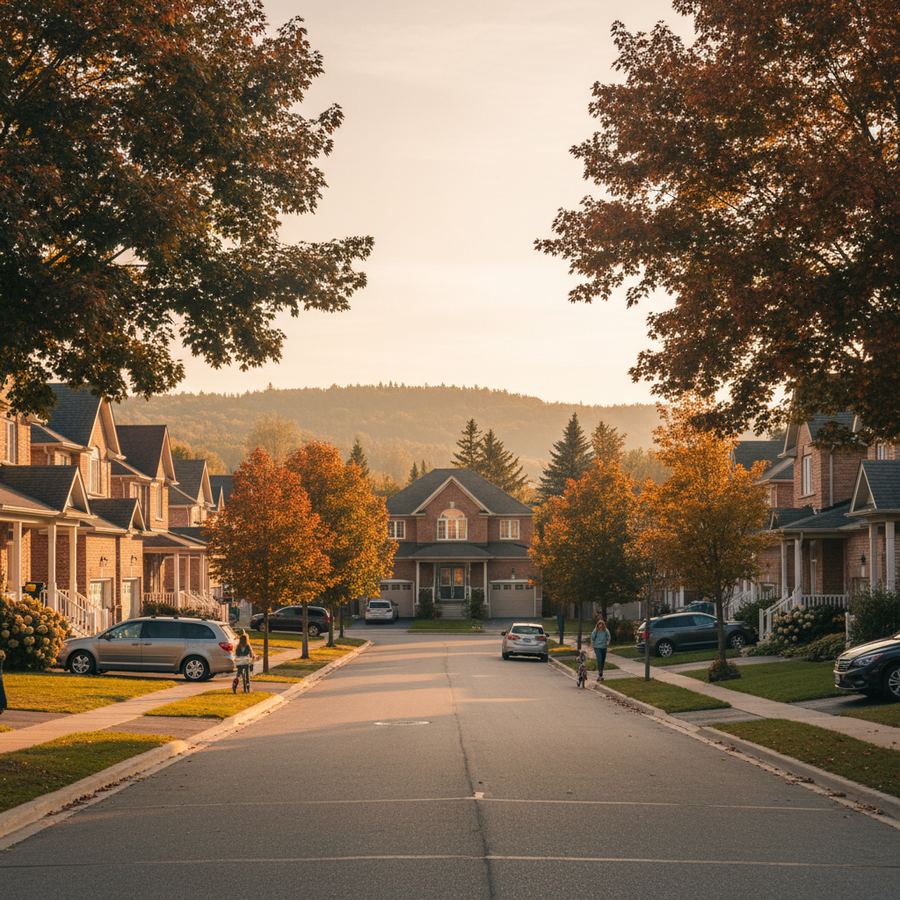
Real estate in Orleans occupies a practical middle ground in Ottawa's housing market. It is generally more affordable than the west-end neighbourhoods that attract the most attention, like Westboro, Hintonburg, or Wellington West. It offers more house for your money than Kanata in many cases. And it provides housing diversity that ranges from entry-level condominiums to large executive homes, with a broad selection in between.
This guide covers what you need to know about buying, renting, and understanding the Orleans housing market, including approximate price ranges, neighbourhood differences, and the factors driving the market's direction.
Price Ranges and Market Position
As of recent market data, the average resale home price in Orleans falls in the range of $550,000 to $650,000, depending on the housing type and neighbourhood. This is below the Ottawa-wide average, which has been pushed higher by values in the urban core and the most desirable west-end neighbourhoods. For comparison, average prices in Westboro and Hintonburg often exceed $800,000 for a single-family home, and Kanata's average sits slightly above Orleans in most quarters.
Townhomes and stacked townhomes represent the most affordable entry point. In newer developments like Avalon and Notting Gate, new-build townhomes typically start in the mid-$400,000s and go up from there depending on size and upgrades. Resale townhomes in established areas like Convent Glen and Orleans Wood can be found in the $400,000 to $500,000 range, offering more space and mature landscaping than newer builds.
Semi-detached homes, which are common throughout Orleans, generally sell in the $500,000 to $600,000 range. These are popular with young families who want more space than a townhome but are not ready for the cost of a fully detached house.
Detached homes are the largest segment of the Orleans market. In established neighbourhoods like Chapel Hill and Fallingbrook, detached homes on generous lots sell in the $600,000 to $800,000 range. Larger or renovated homes on premium lots can exceed that. In newer areas, detached homes start around $650,000 for builder-grade models and climb well past $900,000 for larger floor plans with full upgrades.
Condominiums and apartment-style units represent the most affordable segment. Resale condos in Orleans can be found starting around $250,000 to $350,000, making them accessible to first-time buyers and downsizers. The condo market in Orleans is smaller and less active than in the downtown core, but there are several complexes along the major corridors.
Neighbourhood Comparison
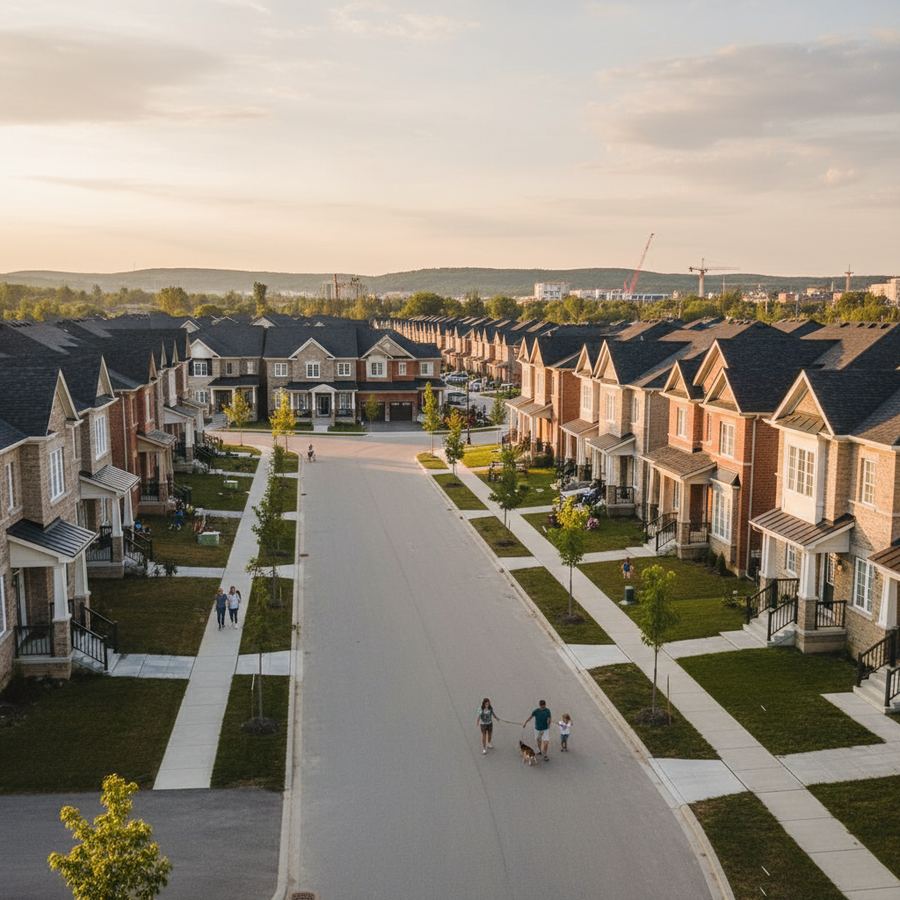
Orleans is not one neighbourhood. It is a collection of communities, each with a different character, housing stock, and price point.
Chapel Hill and Fallingbrook are the most established and generally the most expensive areas within Orleans. Homes here were built primarily in the 1980s and 1990s, and many have been significantly renovated. The lots are larger than what you will find in newer developments, and the streets are lined with mature trees. These neighbourhoods feel settled and quiet. The trade-off is that the homes are older, and some require updates to electrical, plumbing, or insulation systems.
Convent Glen and Orleans Wood sit in the middle of Orleans both geographically and in terms of price. Housing here is a mix of townhomes, semis, and detached homes built from the late 1970s through the early 2000s. The community is well served by schools, parks, and the St-Joseph Boulevard commercial strip. This area offers a solid balance of value, convenience, and neighbourhood character.
Avalon and Notting Gate are the newest major developments in Orleans. Construction here began in the 2000s and continues today. Homes are modern, energy-efficient, and designed with open floor plans that appeal to today's buyers. The streets are wide, the houses are close together, and the commercial infrastructure is still developing. Young families are the primary demographic, and the energy of these neighbourhoods reflects that.
Spring Ridge and Queenswood Heights represent a mix of older and newer homes. Spring Ridge includes some of the most recent development in Orleans, extending toward the east. Queenswood Heights has been established longer and offers larger lots in some sections. Both areas are well connected to the Tenth Line Road commercial corridor.
New Construction
Several major builders are active in Orleans, particularly in the eastern expansion areas. Minto, Mattamy, Claridge, and eQ Homes all have or have recently had active projects. New builds offer the advantage of modern building codes, energy efficiency, warranty coverage, and the ability to choose finishes and layouts. The disadvantage is that new neighbourhoods can feel raw for the first several years, with limited tree cover, ongoing construction, and commercial amenities that lag behind residential growth.
If you are considering a new build, pay attention to the development charges and lot levies that builders include in their pricing. These can add tens of thousands of dollars to the sticker price. Also consider the timeline. New builds in Ottawa typically take 12 to 24 months from agreement to possession, and delays are common. Budget for interim housing if you are selling an existing home to buy new.
One advantage of buying new in Orleans is the LRT expansion. The Stage 2 extension of the Confederation Line will bring rapid transit further into Orleans, with stations planned along the existing Transitway corridor. Properties near future LRT stations may see value appreciation as the line becomes operational. This is speculative, of course, and transit timelines in Ottawa have been subject to delays. But the long-term infrastructure investment is real. See our growth and development page for more on the LRT timeline.
The Rental Market
Orleans has a smaller rental market than downtown Ottawa or the Centretown area, but options do exist. Purpose-built rental apartments are concentrated along a few corridors, with complexes on Belcourt Boulevard, Jeanne d'Arc Boulevard, and near Place d'Orleans. Average rents for a two-bedroom apartment in Orleans typically range from $1,600 to $2,000 per month, which is somewhat lower than comparable units in the urban core.
Secondary suites, including basement apartments in single-family homes, are a growing part of the rental supply. The City of Ottawa has eased regulations on secondary suites in recent years, and many homeowners in Orleans have added legal basement apartments to their properties. These units offer renters more space and a residential setting, though they come with the realities of shared-property living.
The rental market in Orleans attracts a mix of tenants, including young professionals who are not ready to buy, families who are testing the community before committing to a purchase, and newcomers to Canada who are establishing themselves. For detailed rental listings, realtor.ca and local property management companies are the best starting points.
Factors Driving the Orleans Market
Several factors are shaping the direction of the Orleans housing market. Population growth in the eastern expansion areas continues to bring new residents. The LRT extension, when completed, will improve transit access and potentially boost property values near stations. Federal government employment remains a major economic driver, and Orleans' proximity to both downtown Ottawa and Gatineau makes it attractive to public servants.
The bilingual character of the community is also a market factor. Francophone buyers from Gatineau and other parts of eastern Ontario are drawn to Orleans specifically because it offers French-language services, schools, and community life on the Ontario side of the river. This creates sustained demand that is somewhat independent of broader Ottawa market trends.
Interest rates and federal mortgage rules affect Orleans as they do every Canadian housing market. The stress test, which requires buyers to qualify at a rate above their actual mortgage rate, has cooled activity at times but has not fundamentally altered the demand picture in Orleans. The community continues to attract buyers because its value proposition is strong relative to other parts of Ottawa.
Buying in Orleans: Practical Advice
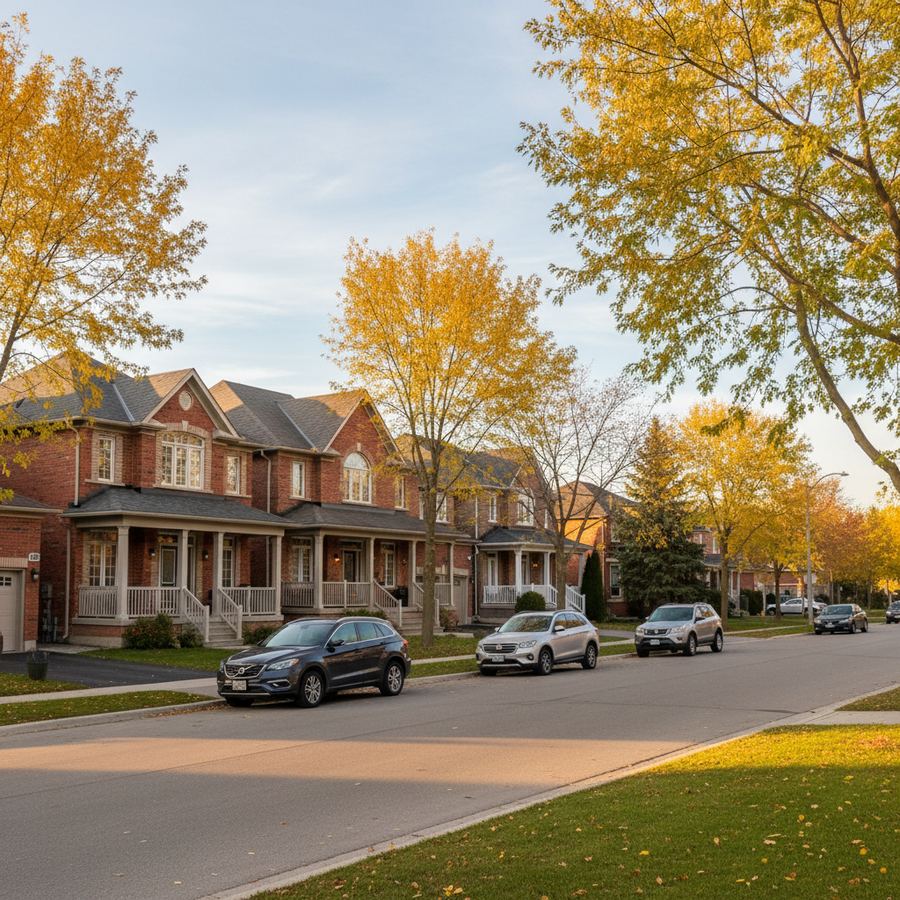
If you are considering a purchase in Orleans, a few practical points are worth keeping in mind. First, visit the neighbourhood at different times of day and on different days of the week. A street that feels quiet on a Sunday morning might have significant traffic noise during the weekday commute. Second, check the proximity to schools, parks, and shopping. Orleans is car-dependent in many areas, but the best-located homes are within walking distance of at least some amenities.
Third, investigate the commute. If you work downtown, drive the route during rush hour before you commit. Highway 174 can back up significantly in the morning, and the time difference between a home near the Queensway on-ramp and one deep in the eastern subdivisions can be 15 to 20 minutes. Our transit and commuting guide covers the options in detail.
Fourth, consider the future. Orleans is a community in transition. The LRT extension, new commercial development, and continued residential growth will change the area over the coming decade. Properties in areas that will benefit from these changes, particularly near future transit stations and new commercial nodes, may offer better long-term value than those in areas that are already fully built out.
Orleans will not be the right choice for everyone. If you want a walkable urban neighbourhood with independent coffee shops on every corner, you will be happier in Westboro or the Glebe. If you want a rural setting with acreage, you need to look further east. But if you want a safe, family-oriented community with good schools, reasonable housing costs, and a genuine sense of neighbourhood identity, Orleans deserves a serious look. The value here is not just in the square footage. It is in the community that comes with it.