Growth and Development in Orleans
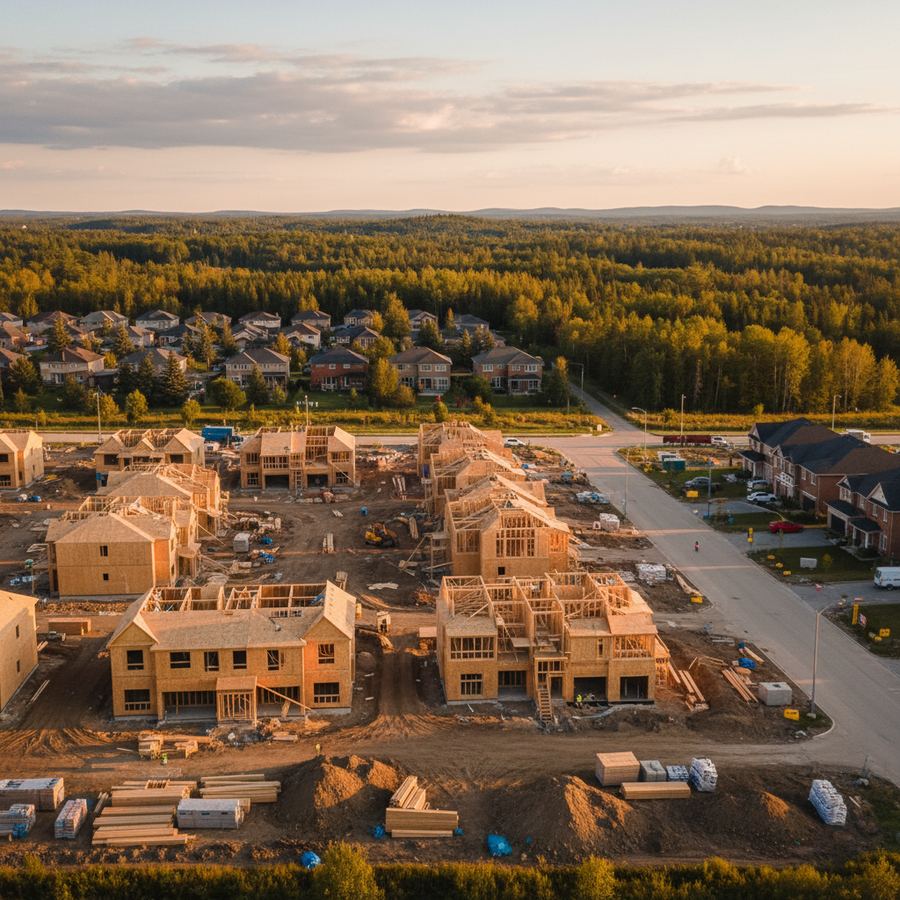
Orleans is in the middle of the most significant transformation it has experienced since the original suburban boom of the 1980s and 1990s. The LRT extension is the headline project, but it is far from the only change underway. New residential subdivisions are pushing the community's boundaries eastward. Commercial development is filling in along the Trim Road corridor. Population growth is driving investment in schools, recreation facilities, and road infrastructure. The Orleans of 2030 will look and function meaningfully differently from the Orleans of today.
This guide covers the major development projects and growth trends shaping the community, with an honest assessment of timelines, challenges, and what it all means for residents and business owners.
LRT Stage 2: The Confederation Line Extension
The single largest infrastructure investment coming to Orleans is the eastward extension of Ottawa's Confederation Line LRT. Stage 2 of the LRT project extends rapid transit from Blair Station, the current eastern terminus, through the Greenbelt and into Orleans. The planned alignment follows the existing Transitway corridor, with new stations at Montreal Road, Jeanne d'Arc Boulevard, Orleans Boulevard, and Place d'Orleans, before reaching a terminus at Trim Road.
When completed, this extension will give Orleans residents direct, rail-based transit access to downtown Ottawa for the first time. The projected travel time from the Place d'Orleans station to the Rideau Centre downtown will be approximately 25 minutes, which is competitive with driving outside of rush hour and significantly better than driving during peak periods.
The timeline has been a sore point. The original target for the Stage 2 east extension was 2025, but construction delays and technical issues have pushed the expected completion into the 2026 to 2028 range. Ottawa's LRT system has been plagued by reliability problems since Stage 1 opened in 2019, and public confidence in the transit system's delivery capability is, fairly or not, diminished. Residents should plan for the possibility that the extension may arrive later than currently projected.
Despite the delays, the infrastructure is being built. Track work, station construction, and guideway preparation are visible along the corridor. The investment is real, and the eventual impact on Orleans will be substantial. Property values near LRT stations are expected to rise. The stations themselves will attract commercial development, creating new retail and service hubs. And for daily commuters, the LRT will transform the calculus of living in Orleans, making the community far more attractive to anyone who works downtown. Our transit and commuting guide covers the current state of transit service in more detail.
Trim Road Development
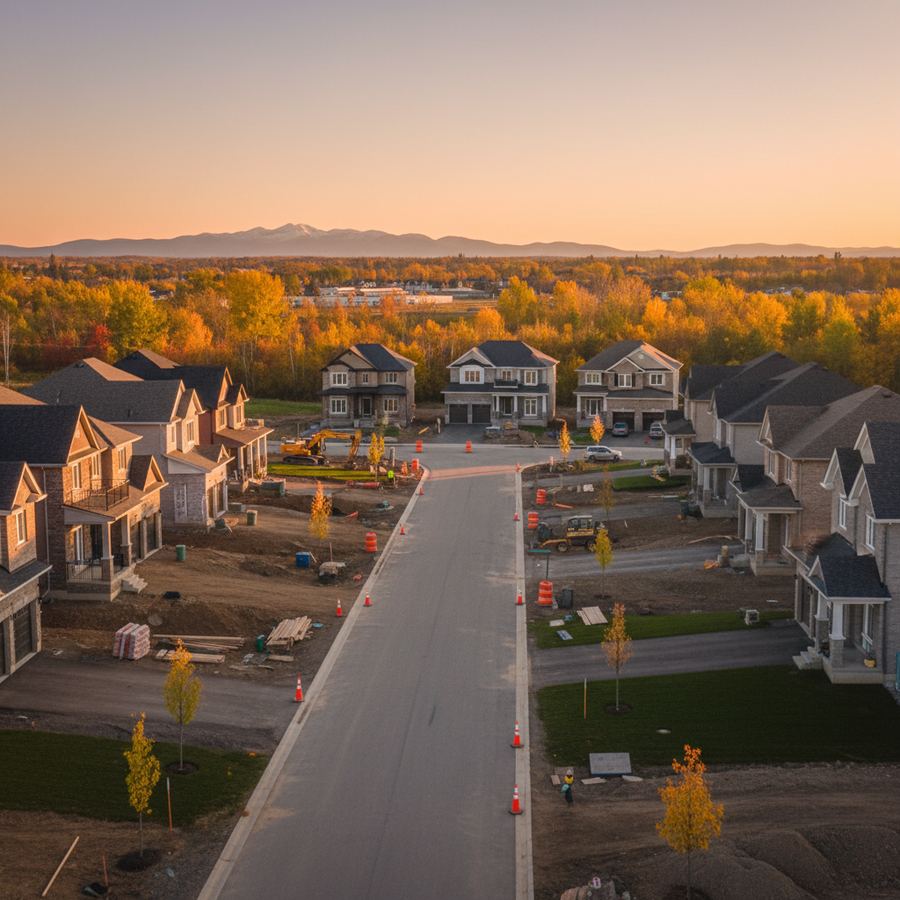
The Trim Road corridor, on the eastern edge of Orleans, is emerging as a major growth area. The planned LRT terminus at Trim Road is driving land assembly and development proposals in the surrounding area. A park-and-ride facility at the terminus will serve commuters from the broader east Ottawa area, turning Trim Road into a transit gateway for the community.
Commercial and mixed-use development proposals have been filed for several parcels along Trim Road and the nearby Innes Road intersection. These include retail plazas, mid-rise residential buildings, and mixed-use projects that combine ground-floor commercial with residential above. The vision is for a new town centre of sorts, anchored by the LRT station and serving both the existing population and the new residents arriving in nearby subdivisions.
This area is still in early stages. Much of the land remains undeveloped or agricultural, and the transformation will take a decade or more to fully materialize. But the direction is clear. The eastern boundary of Orleans is shifting, and Trim Road is where the next chapter of the community's growth will be written.
Residential Growth and New Subdivisions
Orleans continues to expand through new residential subdivisions, primarily in the eastern and southeastern portions of the community. Avalon and Notting Gate have been absorbing much of this growth, with multiple builders offering townhomes, semis, and detached houses for first-time buyers and growing families.
The pace of residential construction has been strong. Building permit data from the City of Ottawa shows consistent activity in the Orleans area, with hundreds of new housing starts annually. This growth brings both benefits and challenges. The benefits are obvious: new homes, new residents, and the commercial and community investment that follows. The challenges include construction traffic, temporary strain on existing infrastructure, and the lag between when homes are built and when the roads, parks, and commercial spaces catch up.
Population projections for eastern Ottawa suggest continued growth through the 2030s. The City of Ottawa's Official Plan has designated land in and around Orleans for both residential and commercial intensification, meaning the growth is planned and expected, not speculative. For buyers, this means that today's new subdivision will be a mature neighbourhood within a decade, complete with landscaping, schools, and local shops. For investors, it means that early purchases in growth areas have historically performed well in Orleans as the surrounding community fills in.
Commercial Development
The commercial landscape in Orleans is diversifying. Place d'Orleans remains the primary shopping anchor, but new retail development is occurring along Tenth Line Road, Innes Road, and in the emerging Trim Road area. National and regional chains continue to open locations in Orleans, drawn by the growing population and the spending power of a community with high household incomes relative to the regional average.
Independent commercial development is also active. New medical clinics, dental offices, and professional service firms are establishing offices in Orleans, often in newly built plazas along the secondary corridors. The restaurant scene continues to expand, with new openings reflecting the diverse tastes of the community. You can explore the current dining landscape in our best restaurants guide.
One area where Orleans has lagged is office space. The community has very little Class A office inventory, which has limited its ability to attract major private-sector employers. Most residents who work in the private sector commute to the west end, downtown, or Kanata for work. The LRT extension may change this dynamic over time by making Orleans more accessible to employers who currently cluster around downtown transit stations. But for now, the commercial economy in Orleans is driven primarily by retail, services, and health care rather than corporate offices.
Infrastructure Investment
Beyond the LRT, several infrastructure projects are improving Orleans' connectivity and livability. Road widening projects on major corridors like Innes Road and Brian Coburn Boulevard are addressing congestion. New cycling infrastructure is being added as part of the City's cycling plan, connecting Orleans neighbourhoods to the broader Ottawa pathway network. Storm water management upgrades are addressing flooding concerns in some established neighbourhoods.
The City of Ottawa has also invested in community facilities. The Francois Dupuis Recreation Centre, which opened in the late 2010s, added a major community centre to the east end of Orleans. Library expansions, park improvements, and school construction continue to keep pace with population growth, though residents in the newest subdivisions sometimes wait several years for these amenities to arrive.
Water and sewer infrastructure, the unglamorous backbone of any growing community, is being extended to support new development areas. The capacity of these systems affects where and how fast growth can occur, and the City's infrastructure planning has generally kept ahead of development approvals in Orleans.
Challenges and Honest Assessment

Growth is not uniformly positive, and Orleans residents are right to have mixed feelings about the pace of change. Traffic congestion, particularly on Highway 174 during rush hour, remains a daily frustration. The LRT will eventually help, but until it opens and proves reliable, drivers are stuck in the same bottleneck that has defined the Orleans commute for years.
Construction disruption is an ongoing reality in growing areas. New subdivisions mean years of truck traffic, dust, and noise for nearby residents. Road construction projects, while necessary, create detours and delays. The LRT construction itself has disrupted transit service and road access along the Transitway corridor.
There is also a tension between growth and community character. Longtime residents sometimes feel that the Orleans they chose is being diluted by rapid expansion. New commercial plazas lack the character of St-Joseph Boulevard's independent businesses. Suburban sprawl at the eastern edge looks the same as suburban sprawl everywhere. These concerns are legitimate, and they mirror debates happening in growing communities across Canada.
The counterargument is that growth brings investment, choice, and opportunity. A community that stops growing stagnates. The businesses, schools, and services that make Orleans attractive depend on a growing tax base and customer base to sustain them. The challenge is managing growth in a way that preserves what makes Orleans worth living in while allowing the community to evolve.
What It Means for Residents and Businesses
For current residents, the growth trajectory in Orleans means rising property values over time, improving transit access, and an expanding range of local amenities. It also means construction disruption, traffic challenges, and the adjustment that comes with a changing community. The next five to ten years will be a period of significant transition, and the results will depend on how well the city manages the infrastructure investments it has committed to.
For businesses, growth means opportunity. A growing population needs more restaurants, more services, more retail, and more professional support. Businesses that establish themselves in growth areas early, particularly near future LRT stations, will benefit from the rising tide. Our guides to starting a business and networking and growth cover the practical steps for getting established.
For prospective residents considering a move to Orleans, the City of Ottawa's planning and development portal provides detailed information on approved and proposed projects. Understanding what is planned for the area around a potential home purchase can help you make a more informed decision about where and when to buy.
Orleans is not standing still. The community is being reshaped by some of the largest infrastructure investments in Ottawa's history. The outcome is not guaranteed to be perfect, but the direction is toward a more connected, more complete, and more self-sufficient community. That is a story worth paying attention to.