Home Renovation and Contractors in Orleans
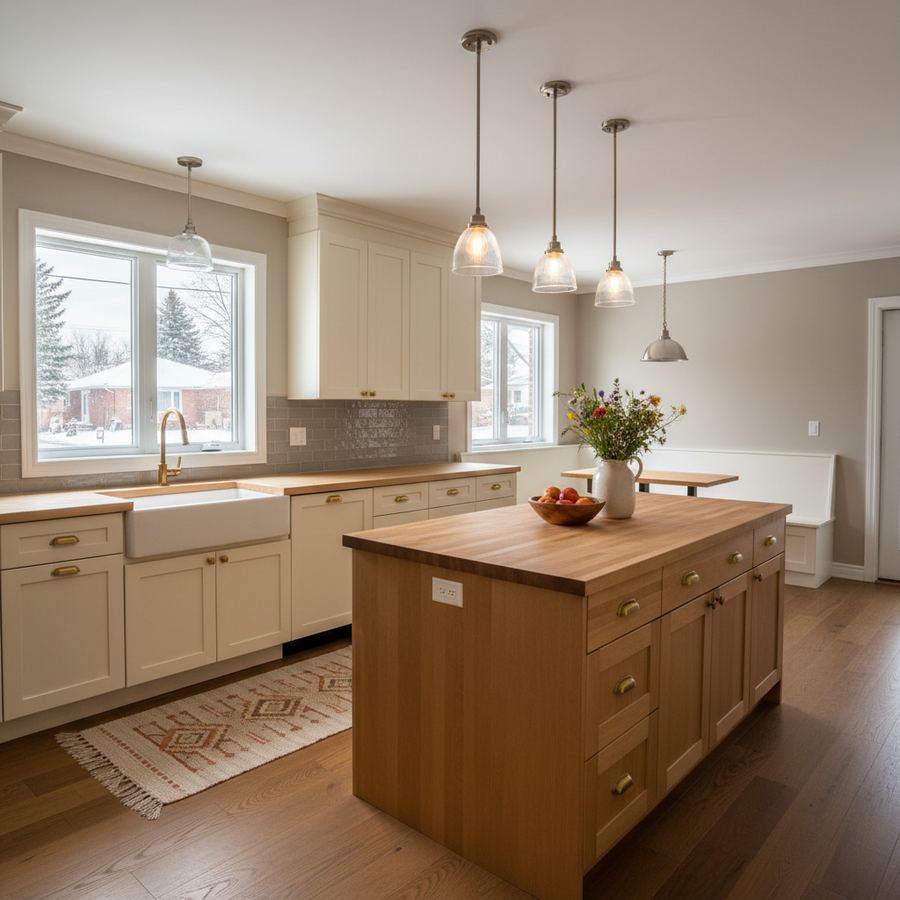
Home renovation in Orleans follows a rhythm shaped by the neighbourhood itself. The community is old enough that many houses need updating but new enough that most are structurally sound. That makes Orleans a sweet spot for renovation: the bones are generally good, the layouts are functional, and the upgrades tend to focus on finishes, efficiency, and lifestyle improvements rather than salvage jobs. Whether you are refreshing a 1990s kitchen in Convent Glen or finishing a basement in a newer Avalon build, understanding the local market helps you hire better, plan smarter, and spend wisely.
Orleans Housing Stock: What You Are Working With
The type of renovation you need depends heavily on when your house was built, and Orleans spans several distinct eras of residential construction.
The older neighbourhoods, including Convent Glen and Orleans Wood, were developed primarily in the 1970s through the early 1990s. Homes here are typically two-storey detached houses or side-splits with brick exteriors, smaller kitchens by modern standards, and original features like oak railings, ceramic tile, and laminate countertops. These homes are solidly built but often need kitchen and bathroom updates, window replacements, insulation improvements, and electrical panel upgrades to handle modern loads. Finished basements in this era were often done with basic materials and may need to be gutted and redone properly.
The middle generation, roughly 1995 to 2010, covers much of Chapel Hill and Fallingbrook. These homes introduced open-concept main floors, higher ceilings, and more generous master suites. They are in better shape overall but commonly need roof replacements (asphalt shingles have a 20 to 25 year lifespan in Ottawa's climate), furnace and air conditioning updates, and cosmetic refreshes to kitchens and bathrooms that have started to look dated.
The newest areas, particularly Avalon and Notting Gate, feature homes built from 2010 onward. These properties meet current building codes and energy standards, so major renovations are less common. However, builder-grade finishes often drive owners to upgrade within a few years. Hardwood over builder laminate, quartz countertops replacing laminate, upgraded lighting, and deck or patio additions are the most popular projects in these newer subdivisions.
Finding a Reliable Contractor

The single most important decision in any renovation is who you hire to do the work. Orleans has a healthy pool of general contractors, specialized tradespeople, and design-build firms, but quality varies as widely here as anywhere else. A methodical approach to hiring saves you from the nightmare scenarios that make renovation such a dreaded topic at dinner parties.
Start by asking neighbours. In a community like Orleans, renovation projects are visible and frequent. If someone on your street had their kitchen done and it looks great, ask who did the work and how the experience was. Personal referrals from people who have lived through the full process, from quoting to final walkthrough, are worth more than any online listing.
Verify credentials before signing anything. In Ontario, contractors are not required to be licensed by the province, which means the barrier to entry is low. Look for contractors who carry valid WSIB coverage and commercial general liability insurance (a minimum of $2 million is standard). Ask for proof. Any legitimate contractor will provide it without hesitation. Membership in industry associations like the Greater Ottawa Home Builders' Association is a positive indicator, though it is not a guarantee of quality on its own.
Get at least three written quotes for any significant project. A good quote will break down materials and labour separately, specify the scope of work in detail, include a timeline with milestones, and outline the payment schedule. Be cautious of quotes that are dramatically lower than the others. In renovation, the cheapest bid often becomes the most expensive project when corners are cut and change orders start piling up.
Check references and, if possible, visit a completed project. Photos are helpful, but walking through a finished renovation and speaking with the homeowner about how the process went tells you far more about what it is actually like to work with that contractor.
Common Renovation Projects in Orleans
Kitchen renovations remain the most popular and impactful upgrade. A well-executed kitchen reno in Orleans typically costs between $25,000 and $60,000 depending on the scope, with high-end custom projects running higher. The return on investment is strong, both in daily quality of life and resale value. Focus on layout improvements, quality cabinetry, durable countertops, and proper lighting. These elements make the biggest difference and hold up best over time.
Bathroom renovations are the second most common project. Main bathrooms and ensuites in older Orleans homes tend to be small and dated. Even a modest renovation, replacing the vanity, updating tile, and installing a modern shower enclosure, can transform the space. Budget $10,000 to $25,000 for a full bathroom renovation depending on size and finish level.
Basement finishing is especially popular in Orleans because the homes generally have deep, dry basements with good ceiling height. A finished basement adds significant living space for a fraction of the cost per square foot of an addition. Common configurations include a family room, bedroom, bathroom, and sometimes a home office or gym. If you plan to include a bedroom, ensure it meets Ontario building code requirements for egress windows and smoke detection.
Exterior projects including roofing, siding, windows, and landscaping round out the most common jobs. Ottawa's climate is hard on exteriors, and deferred maintenance on a roof or windows leads to much bigger problems. Replacing windows and adding insulation also delivers meaningful savings on heating costs, which is no small thing when January arrives.
Seasonal Timing
Renovation in Ottawa follows a seasonal pattern that is worth understanding when you plan your project. Spring and summer are peak season, and the best contractors book up months in advance. If you want a summer start date, begin getting quotes in January or February. Waiting until April to start looking means you may not find a quality contractor with availability until the fall.
Fall is an underrated time for interior renovations. Contractors are often more available, and you avoid the scheduling crunch of peak season. A kitchen or bathroom renovation started in October can be finished well before the holidays, and you may find that contractors are more attentive when they are not juggling five projects simultaneously.
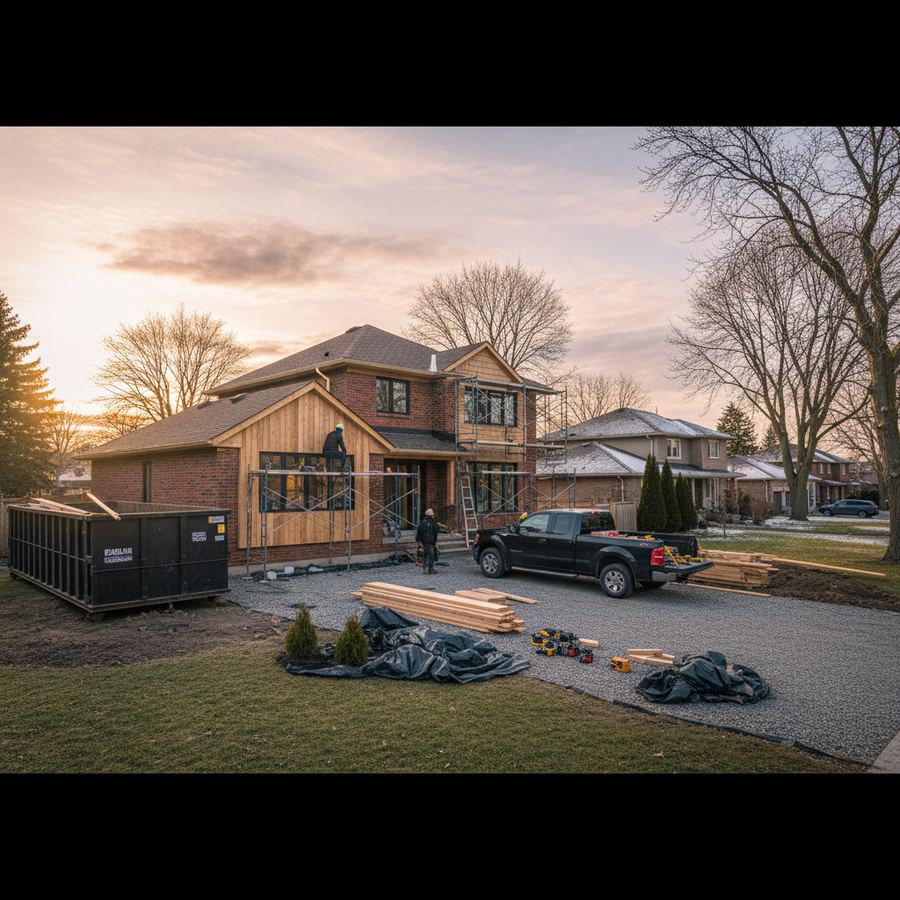
Winter is generally reserved for interior work only, as exterior projects need stable temperatures for materials like concrete, asphalt, and most paints and sealants. Planning and design work during winter months is a smart use of time. Meeting with contractors, finalizing designs, selecting materials, and securing permits during the quiet season puts you at the front of the line when spring arrives.
Permits and Regulations
The City of Ottawa requires building permits for most structural work, electrical modifications, plumbing changes, and any project that affects the building envelope. Cosmetic work like painting, flooring, and replacing fixtures does not typically require a permit. Your contractor should know what permits are needed and should either pull them on your behalf or guide you through the process.
Never let a contractor talk you into skipping permits. Unpermitted work can create serious problems when you sell your home, and it may not be covered by your homeowner's insurance if something goes wrong. The permit process in Ottawa is not fast, but it exists to protect you.
Budgeting and Paying for Renovations
A good rule of thumb is to add 15 to 20 percent to your contractor's quote as a contingency. Renovations almost always uncover surprises, especially in older homes, and having a financial cushion prevents you from making rushed decisions when the unexpected appears. Payment should be structured in stages tied to milestones: a deposit to start, progress payments at defined points, and a final payment upon completion and your satisfaction with the work. Never pay more than 10 to 15 percent upfront, and never pay the full amount before the work is done.
For larger projects, home equity lines of credit and renovation-specific loan products are available through most banks and credit unions. If financing is part of your plan, talk to your lender early, well before construction starts. Our guide to professional and financial services covers local options for financial planning and advice.
Home renovation in Orleans is a well-trodden path. Thousands of families have done it successfully, and the local contractor community includes many skilled, honest professionals who take pride in their work. The key is doing your homework before you start, choosing your contractor carefully, and staying engaged throughout the process. Your home is likely the largest investment you will make. Treating your renovation with the same care protects that investment and makes the place where you live genuinely better.
For more on living in Orleans, see our guide to settling into the community.